The shift became clear to me during a client audit early last year. Their rankings were climbing, not because of new backlinks or an updated content strategy, but because several industry outlets had started referencing their brand in market reports, buyer guides, and expert roundups. None of these mentions contained links. Yet their branded search demand surged, their category keyword rankings stabilized, and Google started treating them like an established entity.
That was the moment I realized: SEO in 2026 is built on signals Google spent the last year training itself to interpret more intelligently, brand mentions, reputation cues, entity relationships, and topical authority.
If 2025 was the year AI reshaped search behavior, then 2026 is the year credibility became the new currency of organic visibility. And brand mentions, linked or not, are at the center of it.
In this blog, I’ll break down exactly how brand mentions influenced rankings over the last twelve months, the data behind this shift, and how B2B brands can leverage this evolution to strengthen their SEO strategy this year.
Why Brand Mentions Matter More will be in 2026
Brand mentions are becoming far more influential in 2026 because of how search systems, online discovery, and buyer behavior have evolved over the last year. Google has been steadily shifting toward an evaluation model that relies less on links and more on who is talking about your brand and how often your name appears across trusted sources.
Mentions, whether in industry reports, expert commentary, newsletters, or comparison articles, now play a much bigger role in shaping how search engines understand a brand’s relevance and authority.
Another major factor is the rise of AI-powered search. Tools like Google’s AI Overviews, Perplexity, and ChatGPT increasingly highlight brands that show up consistently across reputable content. When a brand is mentioned frequently in credible spaces, AI systems treat it as more trustworthy and more likely to deserve visibility in generated answers.
Brand perception also matters more than it ever has. Modern B2B buyers make decisions based on familiarity and reputation long before they land on a website. This means the conversations happening around your brand, especially on third-party platforms, carry more weight in shaping demand, trust, and search behavior.
SEO Impact of Unlinked Mentions
One of the biggest myths in SEO is that only backlinks matter. But Google has repeatedly clarified that it uses many signals beyond hyperlinks to assess credibility.
According to SearchEngineLand, that unlinked brand mentions can help search engines understand who a brand is and what it should rank for, even though they don’t pass PageRank directly.
That means a brand mention contributes indirectly to SEO in three powerful ways:
- They Strengthen Entity Recognition
Search engines treat brands as “entities.”
The more your brand appears in authoritative contexts, the easier it becomes for Google to connect your brand with:
- Relevant topics
- Product categories
- Industry keywords
According SEMrush, Know more about What Are Entities & Why Do They Matter for SEO?
- They Increase Branded Search Volume
Every time someone comes across your name in a publication they trust, your brand becomes top-of-mind.
And branded searches are powerful because:
- They improve click-through rates
- They strengthen your site’s authority in Google’s eyes
- They signal trust and relevance
Higher branded search volume often correlates with better organic rankings sitewide.
- They Drive Indirect Backlinks
Unlinked mentions often lead to linked mentions later.
Journalists, bloggers, and analysts frequently reference brands they’ve seen elsewhere. This snowball effect is a key reason why top SaaS companies dominate search visibility.
- They reinforce entity-topic relationships
When your brand appears repeatedly next to terms like:
- AI security
- Account-based marketing platforms
- Revenue intelligence tools
Google learns your topical domain.
- They increase topical authority
The more often your brand is validated by experts in your industry, the more confidently Google ranks you for high-difficulty terms.
Real-World Examples of Brands Winning Through Mentions
To really understand how brand mentions impact SEO, let’s look at what’s happening in the market.
HubSpot
HubSpot appears constantly in:
- Gartner reports
- Forrester Wave evaluations
- B2B SaaS listicles and comparison articles
Even when they aren’t linked, these mentions reinforce their leadership in CRM and marketing software. HubSpot’s dominance in organic search is directly tied to its visibility in industry conversations.
Notion
Notion is one of the best examples of a brand built through mentions rather than ads.
From 2021–2024, Notion was constantly featured in:
- Product Hunt discussions
- Tech blogs
- Productivity YouTube reviews
Notion’s SEO growth reflects exactly that pattern.
Figma
Before Adobe announced plans to acquire Figma, the design world was buzzing with public praise for the tool.
These mentions appeared:
- In design agencies’ blogs
- On UX research websites
- Inside academic design programs
As a result, Figma’s branded search volume grew nearly 10x from 2019–2023, according to Google Trends.
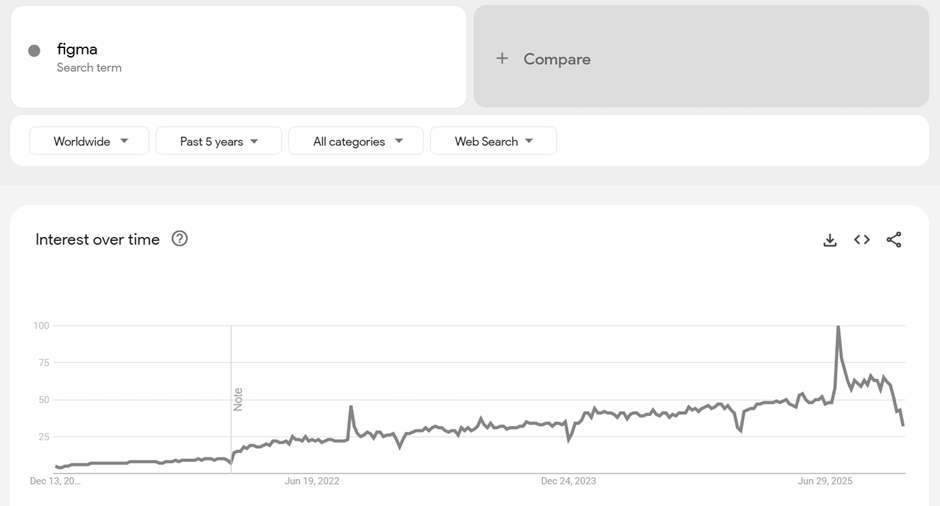
Mentions created momentum, and momentum created authority.
Best Practices to Earn High-Authority Brand Mentions in 2026
Getting credible brand mentions doesn’t happen by accident. It happens when you actively position your brand where trusted voices are already speaking.
Here are practical, proven ways to make that happen.
- Contribute to Insight-Driven Industry Reports
Management consulting and research firms often quote brands as examples in their papers.
When your data, insights, or product category align with their research lenses, analysts naturally reference you.
Deloitte, for example, frequently cites B2B SaaS tools within their digital transformation studies when those tools demonstrate measurable industry impact.
- Build Relationships With B2B Publishers
High-authority publications shape industry narratives.
When your brand adds value to their content:
- Editors mention you
- Analysts quote you
- Bloggers reference you organically
This is one of the core reasons more brands now invest in editorial brand mention services, to ensure they appear inside the conversations already influencing buyers.
- Provide Value, Not Pitches
Editors and researchers don’t mention products.
They mention expertise, insights, and credible viewpoints.
Whether you’re contributing data, opinions, or frameworks, your brand becomes part of the thought leadership ecosystem.
- Participate in expert-led content ecosystems
Industry publications are increasingly shaping Google’s entity understanding.
Being featured in:
- benchmark studies
- “best tool” listicles
- comparison guides
- editorial analyses
- Use PR strategically, not as a link-building tactic
In 2025, the brands that gained the most SEO lift were the ones focusing on:
- thought leadership
- data stories
- expert commentary
- trends analysis
This naturally earned them mentions in high-authority publications.
Measuring the SEO Impact of Brand Mentions
One of the biggest challenges in SEO is measuring something that doesn’t involve a direct hyperlink. But brand mentions produce measurable signals if you track them correctly.
Here are the key metrics I rely on personally:
- Branded Search Growth
If you see a spike in branded queries shortly after a mention in a major publication, that’s not a coincidence.
Search demand is a direct trust signal.
- Referral Traffic Patterns
Even unlinked mentions often lead users to search your name and visit your site.
- Topic-Level Keyword Movements
When your brand is consistently mentioned in a category, your rankings for those category keywords gradually improve.
- Backlinks Generated Over Time
A single unlinked mention may later attract dozens of linked mentions from secondary publications.
This cascading effect is one of the strongest indirect SEO benefits of brand visibility.
Conclusion
SEO in 2026 is fundamentally different from what it was just a year ago. Google’s ranking systems evolved to understand brands, credibility, and context at a much deeper level. And the last twelve months made one thing abundantly clear: brand mentions are now one of the most influential drivers of organic growth.
When authoritative voices reference your brand, whether in analyst reports, expert blogs, industry benchmarks, or research studies, Google interprets those signals as trust, relevance, and authority. Those cues shape how confidently it ranks your content, how users search for you, and how your brand is positioned within an entire category.
As you think about your SEO strategy for 2026, ask yourself:
- Where is my brand being mentioned today?
- Who is shaping the conversations that influence my buyers?
- Is my brand part of those conversations yet?
- And if not, what’s my plan to change that?
Because in an era where search is powered by AI, context, and credibility, not just keywords, the brands that get talked about are the brands that win.